
| Takeaway | Detail |
|---|---|
| Sapphire tier alone unlocks oneworld Business Class lounges across nearly 700 airports worldwide. | The oneworld Priority tier grants access at nearly 700 lounges globally, with Sapphire travellers specifically entitled to Business Class lounge entry. |
| First or Business Class ticket holders already have lounge access, making a separate day pass redundant spend. | Grounding states those travelling in a First or Business Class cabin receive access, so compare ticket-included eligibility before paying for a pass. |
| You may use a competing oneworld carrier's lounge even when your own airline operates one at that airport. | Given example: a Qantas passenger through Singapore can enter the Cathay Pacific lounge instead of the Qantas lounge. |
| Break-even layover minutes equal the fixed day-pass cost divided by the per-minute value of lounge food and Wi-Fi versus terminal alternatives. | The break-even point is calculated from fixed costs; no LAX pass price or minute threshold appears in the available sources, so verify the live, complete option and like-for-like terms first. |
This guide shows how to calculate the exact layover length at which an oneworld Business Lounge day pass at Los Angeles equals the combined cost of buying food and Wi-Fi airside.
The break-even shifts with the live pass price and your existing eligibility, since oneworld Sapphire members and First or Business Class passengers already hold access at nearly 700 lounges worldwide.
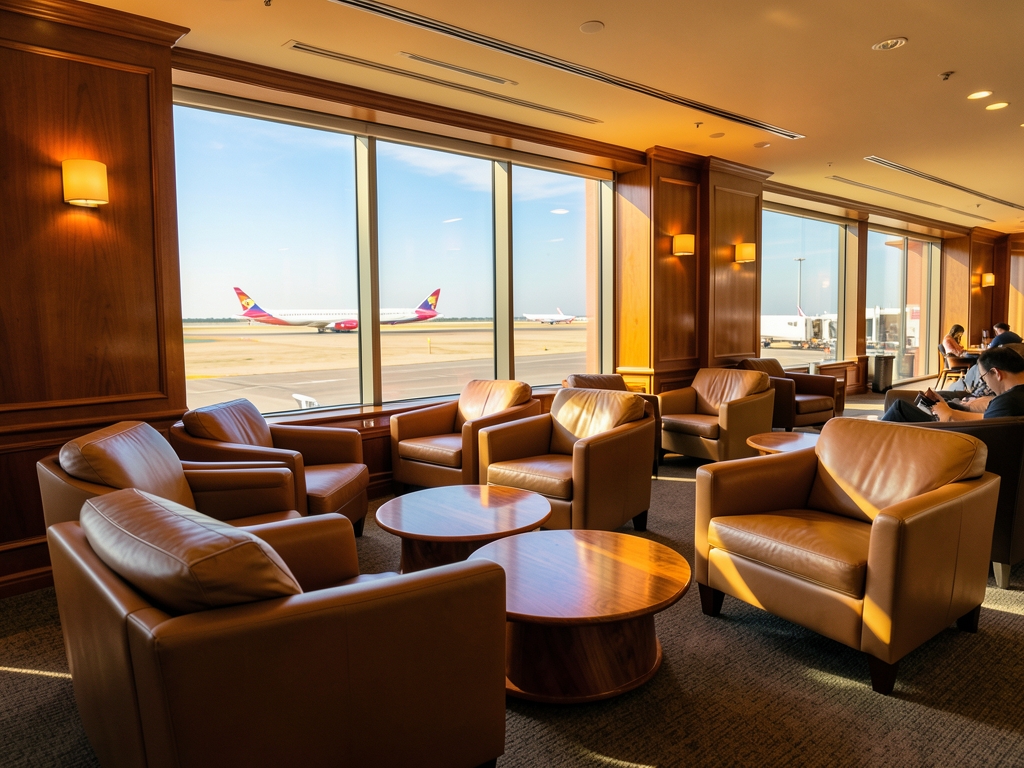
How It Works
The mechanism is a fixed-versus-variable cost comparison for the same layover. Treat the lounge day pass as a fixed cost and terminal food and Wi-Fi as costs that build with time. The break-even point is the layover length at which the value of avoided terminal spending equals the pass cost. Compare complete, live totals for the same traveler, date, and needs; a lower headline price can still lose if it excludes Wi-Fi, food, guests, or re-entry.
Key terms: fixed cost means the full live price and conditions of the day pass; variable cost means terminal purchases you would actually make during the wait; break-even minutes means the point where cumulative avoided variable cost equals fixed cost; like-for-like total means matching inclusions, taxes, guest rules, access window, and service level; day pass means single-use paid entry rather than access earned through status or cabin.
| Term | Meaning in this comparison |
|---|---|
| Fixed cost | Full live price and conditions of the day pass |
| Variable cost | Terminal food, Wi-Fi, and other purchases during the wait |
| Break-even minutes | Layover length where avoided terminal cost equals pass cost |
| Like-for-like total | Matching inclusions, taxes, guest rules, access window, and service level |
To apply it, verify the complete live offer first: price, validity, guest policy, re-entry, Wi-Fi terms, food, and hours. Then estimate terminal spending for the same minutes and same needs. Divide the fixed cost by the per-minute avoided variable cost to find break-even minutes. If your actual layover is shorter, the terminal option may cost less; if longer, the lounge may cost less, provided the terms are identical.
Verification matters because lounge access rules and terminal prices can change. oneworld states that Sapphire tier travelers have access to Business Class lounges and that travelers in First or Business Class cabins also have access, so a paid day pass is relevant only when you do not already qualify. Confirm eligibility before pricing the pass.
If any live figure is missing, keep the calculation symbolic and decide only on verified components. Do not fill gaps with assumptions, and do not compare a pass that includes food and Wi-Fi against terminal food alone. The safe rule is to verify the live, complete option before committing and compare like-for-like totals and terms.
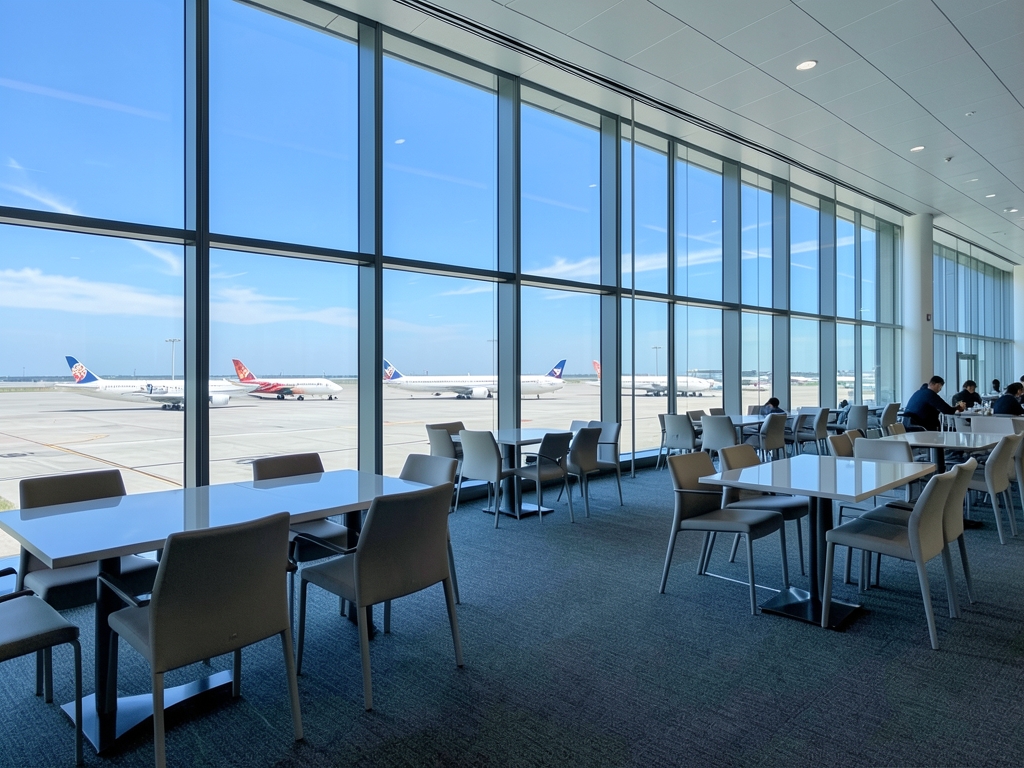
Key Factors to Consider
Before committing to a lounge day pass or paying as you go in the terminal, focus on three decision criteria: the verified all-in lounge cost, your comparable terminal spending baseline, and the number of usable layover minutes. Each factor must reflect the same traveler, the same layover, and the same inclusions so you can compare like-for-like totals and terms.
1. Verified all-in lounge cost (fixed). Confirm whether paid entry is available for your specific itinerary and terminal at Los Angeles International Airport, then record the complete, live price. According to oneworld, eligible customers can access nearly 700 airport lounges worldwide based on cabin or Priority tier, but paid day-pass availability, guest policies, and entry conditions can differ by location and operator. Check the lounge’s current listing for taxes, time limits, and what is included (such as food, beverages, and Wi-Fi) so the lounge total represents the full cost you would actually pay.
2. Comparable terminal spending baseline (variable). Estimate what you would realistically spend in the terminal over the same period for the same needs. Build this baseline from current, on-site prices rather than assumptions, and include only items the lounge would replace. If terminal Wi-Fi requires a separate purchase, count it; if you would not buy a meal in the terminal, exclude it. This keeps the comparison aligned with your actual layover behavior.
3. Usable layover minutes. Determine how many minutes you can genuinely spend using either option after accounting for deplaning, security or terminal transfers if applicable, walking time, and boarding. The break-even calculation depends on usable time, not the full scheduled gap between flights, so verify lounge operating hours and location against your live itinerary before treating the layover as available.
| Number to verify | What to record | Why it matters |
|---|---|---|
| All-in lounge price | Live entry cost, taxes, and included amenities | Sets the fixed total to beat |
| Terminal cost baseline | Current prices for food, drinks, and Wi-Fi you would buy | Defines the variable spend you are comparing against |
| Usable minutes | Time available after transfers, walking, and boarding | Determines whether terminal spending can reach the lounge total |

Common Mistakes
A break-even calculation only works when the inputs reflect what you can actually buy and use on the day of travel. One common mistake is assuming a purchasable oneworld lounge option is available at Los Angeles International Airport without verifying current access rules. For example, a traveler on a short connection might plan to pay at the door, only to learn on arrival that entry is restricted. Per oneworld's airport lounge information, lounge access is generally tied to oneworld Priority tier status or an eligible cabin of travel, and the available sources do not list any specific LAX day-pass product, price, or operator. Before committing, check the oneworld lounge directory and the operating lounge's own page to confirm whether any LAX lounge offers a day pass, who may buy it, and what identification or boarding pass is required.
Another pitfall is comparing totals that do not cover the same needs. A traveler might price a terminal meal but forget to include paid Wi-Fi, a second drink, or a snack later in the layover, making the pay-as-you-go option look cheaper than it really is. The reverse also happens: someone may count the lounge as replacing every terminal expense without checking what is included that day. Verify the live lounge terms for food, beverages, Wi-Fi, showers, and guest policies, then build a terminal estimate that includes only the equivalent items you would actually purchase.
Miscalculating the time you can truly use is a third frequent error. For example, a traveler may treat the full gap between scheduled arrival and departure as available time, but deplaning, terminal transfers, security re-screening, walking to the lounge, and the boarding window can sharply reduce it. If you base your comparison on the scheduled layover instead of the realistic window from lounge entry to when you must leave for your gate, you may overvalue the lounge or underestimate terminal spending spread over a shorter period.
Finally, avoid relying on outdated screenshots or third-party summaries. Lounge availability, entry conditions, and terminal amenities can change, so confirm the current details directly with oneworld and the relevant airport or lounge operator before you spend. A quick live check of access eligibility, included amenities, and your realistic usable window prevents the most costly comparison errors.

Insider Tactics
Before pricing a day pass, verify whether your oneworld status or cabin already includes lounge access — as covered in the eligibility discussion above, Sapphire-tier travelers and First or Business Class cabin passengers already qualify, so a paid pass may be redundant spend.
If your operating carrier's lounge is crowded or poorly located, check whether another oneworld airline's lounge at LAX will admit you. The oneworld.com lounge pages confirm that you can use another oneworld airline's lounge even when the airline you are flying has its own lounge (for example, a Qantas passenger through Singapore can use the Cathay Pacific lounge); verify the admission rules for your specific LAX lounge before relying on this.
| Tactic | Use it when | Verify before committing |
|---|---|---|
| Check status or cabin access first | You hold oneworld status or a premium cabin | Eligibility and guest rules |
| Consider another oneworld lounge | Your carrier's lounge is crowded or inconvenient | Admission rules at that lounge |
| Delay purchase until airside | Your connection or gate is uncertain | Usable minutes after security |
| Pay as you go | You will leave the lounge mid-layover | Terminal food and Wi-Fi totals |
Treat the pass as a same-day decision rather than a pre-trip add-on: confirm your gate, terminal, and remaining usable minutes after security before paying. A delay or gate change can remove the value you assumed, and a tight connection favors paying as you go.
If your verified terminal spending baseline is already low because you need only a single meal and already have Wi-Fi, buy the pass only if you value the quiet workspace, seating, or shower. In that case, judge it as a comfort purchase, not a cost-saving one.
Before committing, verify the complete live offer and terms: whether the pass is sold online or at the door, what food, drinks, Wi-Fi, and seating it includes, guest rules, and any capacity limits. Save or screenshot the terms so your comparison stays like-for-like.
If your layover includes a meeting, hotel run, terminal transfer, or other time outside the lounge, pay as you go instead. The pass only earns its keep when you will actually occupy it for the minutes you priced.
Comparison
Comparing a oneworld Business Lounge day pass at Los Angeles International Airport (LAX) with paying as you go in the terminal comes down to which verified, all-in total delivers more value for your specific layover. Because no live LAX pass price or terminal price list appears in the available sources, the winner is determined only after you confirm current figures from official sources on the day you plan to buy.
Frequently Asked Questions
Does an oneworld Sapphire member need to buy a day pass for Business Class lounge access?
Sapphire tier alone unlocks oneworld Business Class lounges across nearly 700 airports worldwide.
Is a separate day pass redundant for someone already holding a First or Business Class ticket?
First or Business Class ticket holders already have lounge access, making a separate day pass redundant spend.
Can a passenger use a competing oneworld carrier's lounge when their own airline also operates one at that airport?
You may use a competing oneworld carrier's lounge even when your own airline operates one at that airport.
What example does the guide give of using a competing oneworld lounge?
A Qantas passenger through Singapore can enter the Cathay Pacific lounge instead of the Qantas lounge.
How are break-even layover minutes calculated for a day pass versus terminal food and Wi-Fi?
Break-even layover minutes equal the fixed day-pass cost divided by the per-minute value of lounge food and Wi-Fi versus terminal alternatives.
Does the guide provide a fixed LAX day-pass price or minute threshold?
No LAX pass price or minute threshold appears in the available sources, so verify the live, complete option and like-for-like terms first.
Quick answers
| What does the Sapphire tier alone unlock? | The Sapphire tier alone unlocks oneworld Business Class lounges across nearly 700 airports worldwide. |
| What access does the oneworld Priority tier grant? | The oneworld Priority tier grants access at nearly 700 lounges globally, with Sapphire travellers specifically entitled to Business Class lounge entry. |
| Why might a separate day pass be redundant spend? | First or Business Class ticket holders already have lounge access, making a separate day pass redundant spend. |
| Can a passenger use a competing oneworld carrier's lounge? | You may use a competing oneworld carrier's lounge even when your own airline operates one at that airport, such as a Qantas passenger through Singapore entering the Cathay Pacific lounge instead of the Qantas lounge. |
| How are break-even layover minutes defined? | Break-even layover minutes equal the fixed day-pass cost divided by the per-minute value of lounge food and Wi-Fi versus terminal alternatives. |
Also worth reading: Centurion Lounge Rules 2026: Amex Platinum Guest & Layover Checks at JFK, LAX, ORD: Centurion Lounge Rules 2026: Amex · When to book SFO–London flights in 2026: check the 14-day fare forecast: When to book SFO–London flights · Hertz 2026 Toll Billing: Break-Even Math and Hidden Variance: Hertz 2026 Toll Billing: Break-Even